Writing Practice Guide
Free printable sheets that build the hands and minds behind writing, matching, mazes, dot-to-dots, and first writing activities.
Writing starts long before letters
A child who can write their name at 5 started preparing at 3. Not with the alphabet, but with activities that look like pure play. Matching a picture to its shadow teaches the visual focus reading needs. Finding a path through a maze teaches the pencil control writing needs. Connecting dots in order teaches the patience both need.
The sheets below are organized the way skills actually develop: look-and-find games first, then guided pencil activities, then early writing with support. Follow your child's interest through the stages rather than marching through them in order.
The activity types, and what each builds
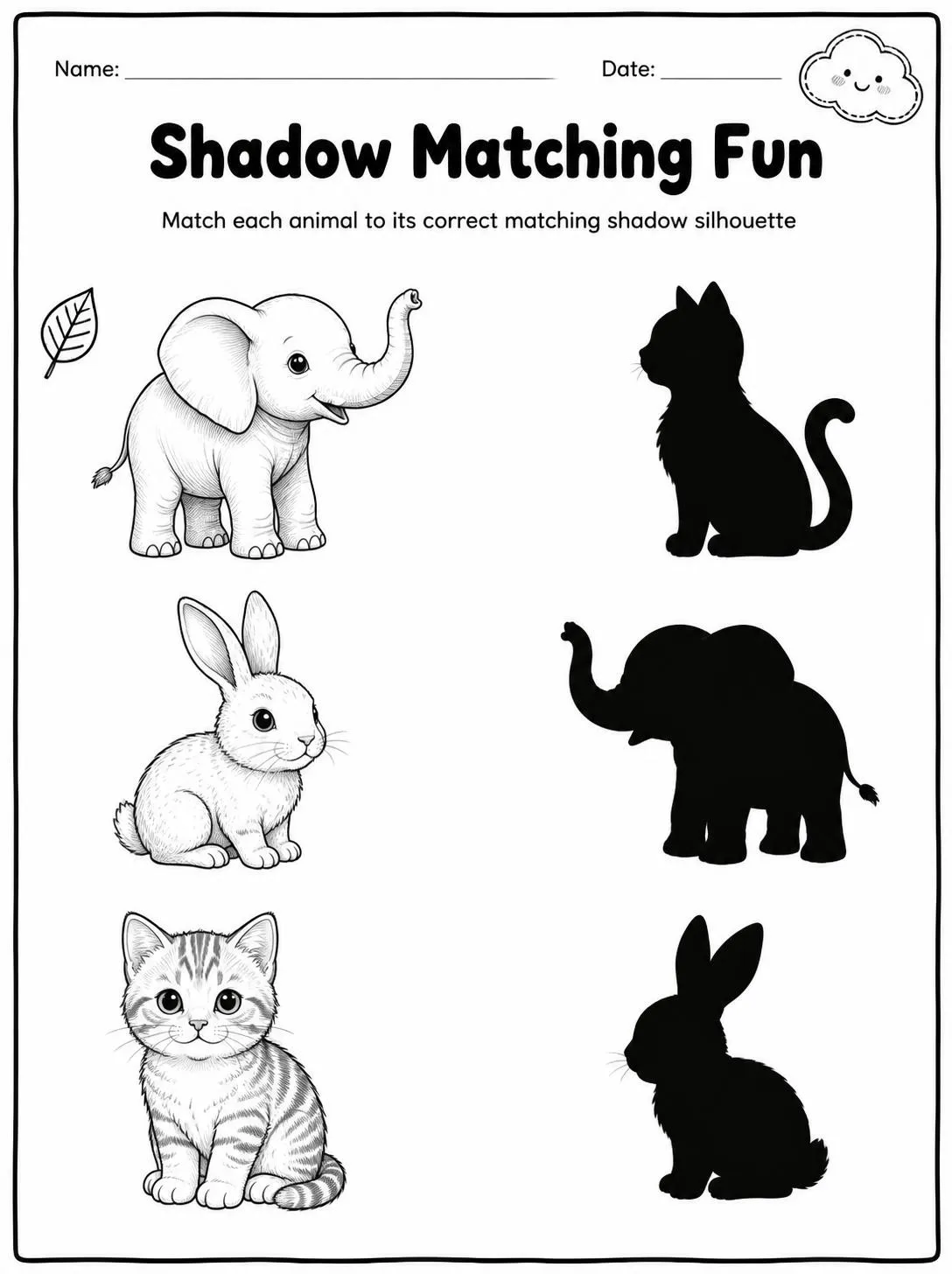
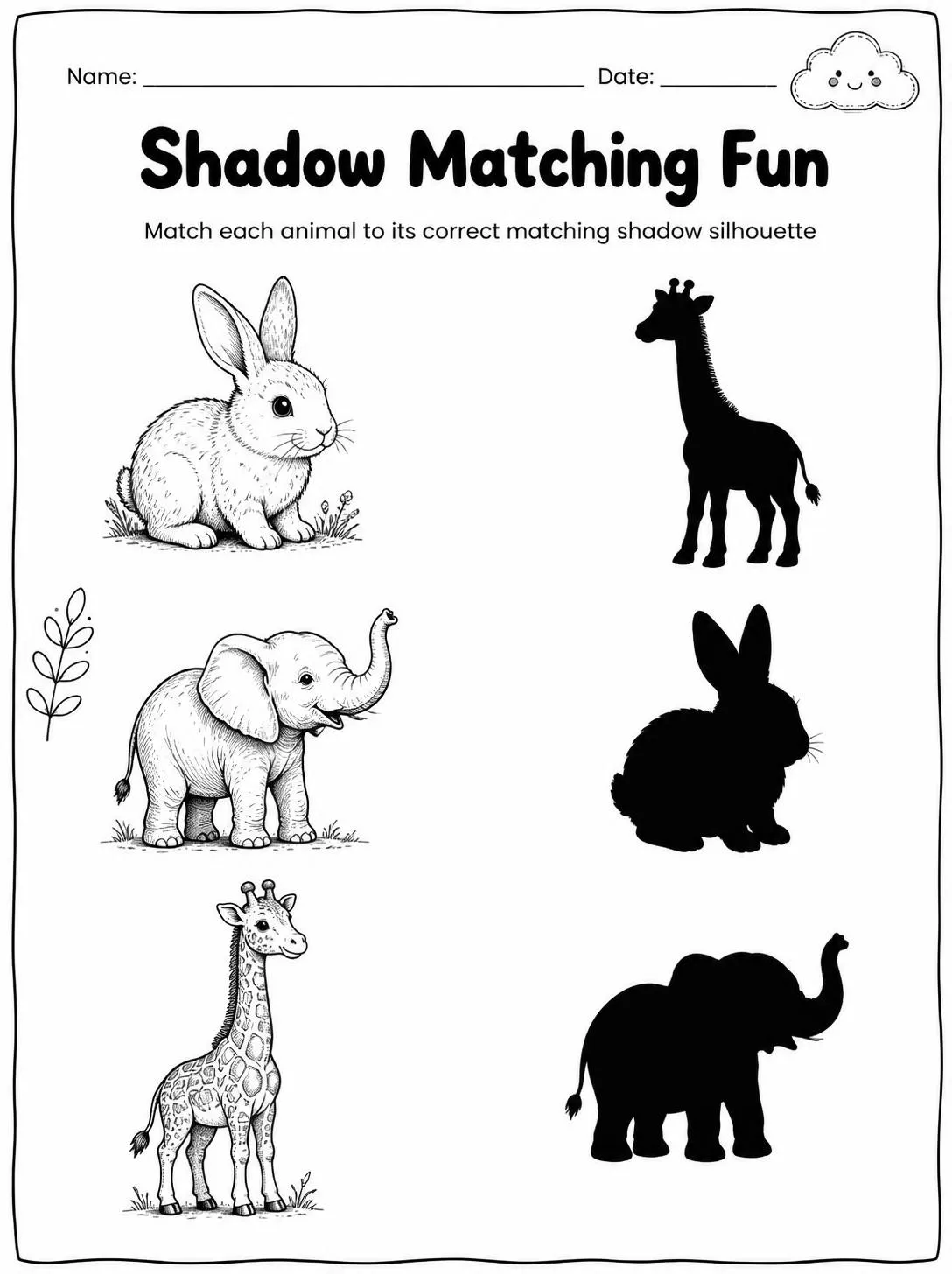
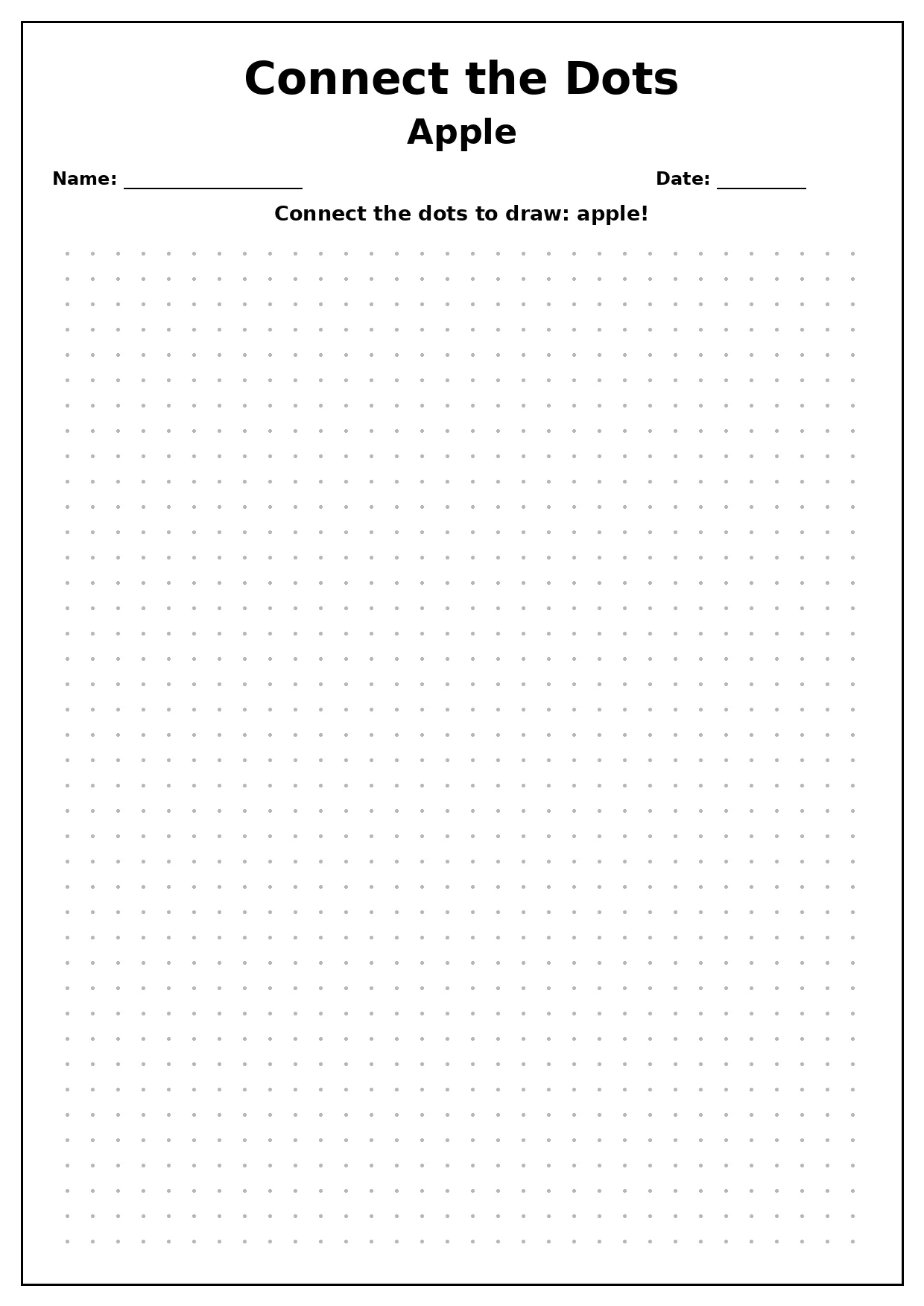
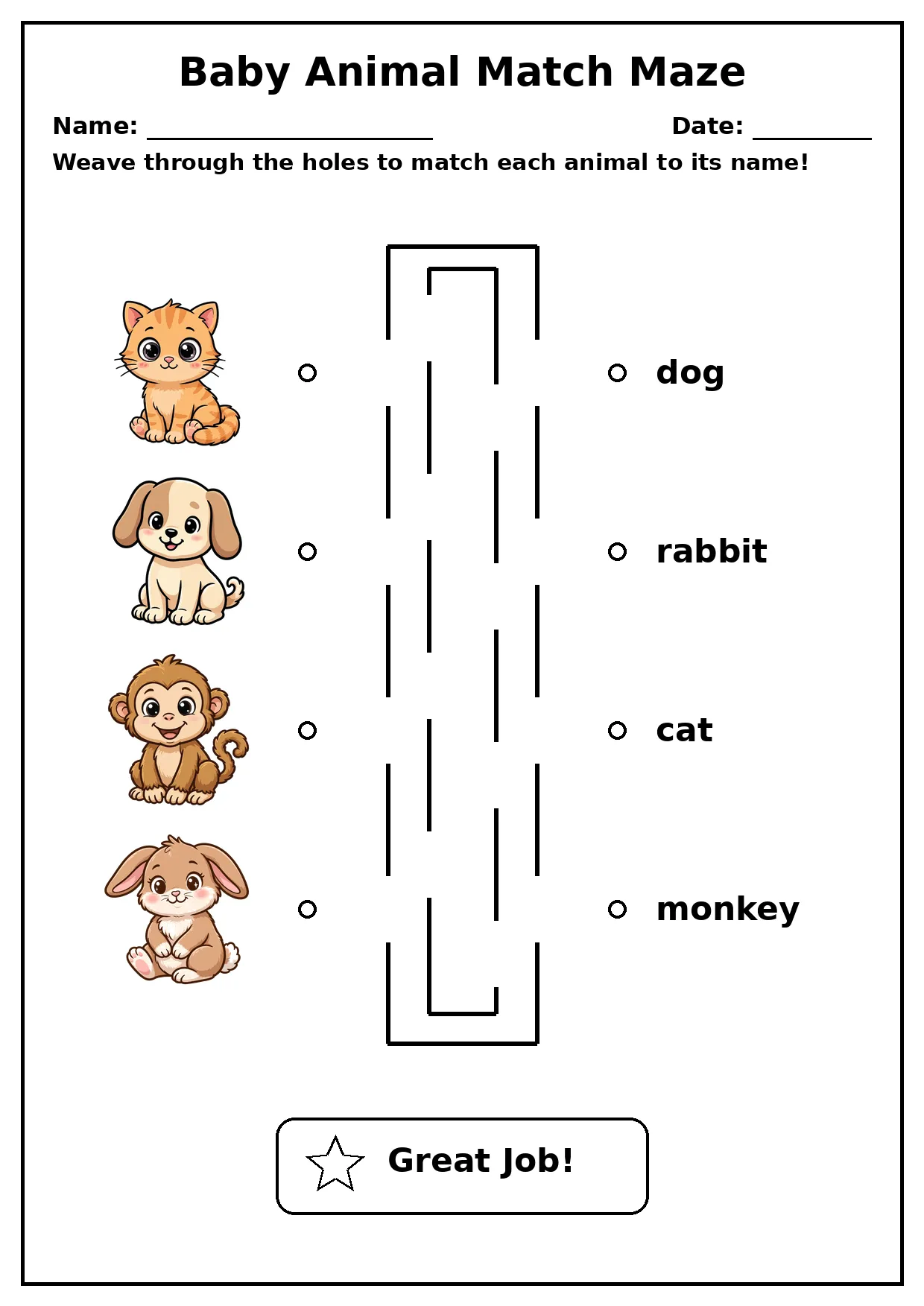
Matching (picture to picture, picture to shadow, word to picture) builds visual discrimination and vocabulary. That is the ability to notice small differences, which is exactly what telling b from d requires later. Mazes build planning and controlled pencil movement; start with wide paths and no dead ends. Dot-to-dot pages sneak in number order while rewarding patience with a revealed picture. Early writing sheets. Tracing words, finishing sentences, drawing and labeling, come last, once the hand is ready.
How to use these sheets
Keep it short and regular: 10 minutes a day beats an hour on Sunday. Do the first one together so your child sees how the activity works, then step back, independent struggle is where the learning happens. If a sheet causes frustration, it is too hard for today; swap it for an easier one and try again next week.
- Offer chunky pencils or crayons for small hands.
- Tape the page down so it does not slide around.
- Talk about the pictures. Vocabulary grows alongside the hand.
- Reprint favourites; mastery loves repetition.
Ready-to-print pack: 10-sheet starter set
Ten sheets moving from look-and-find games to guided pencil activities. Print the set and do one page a day.
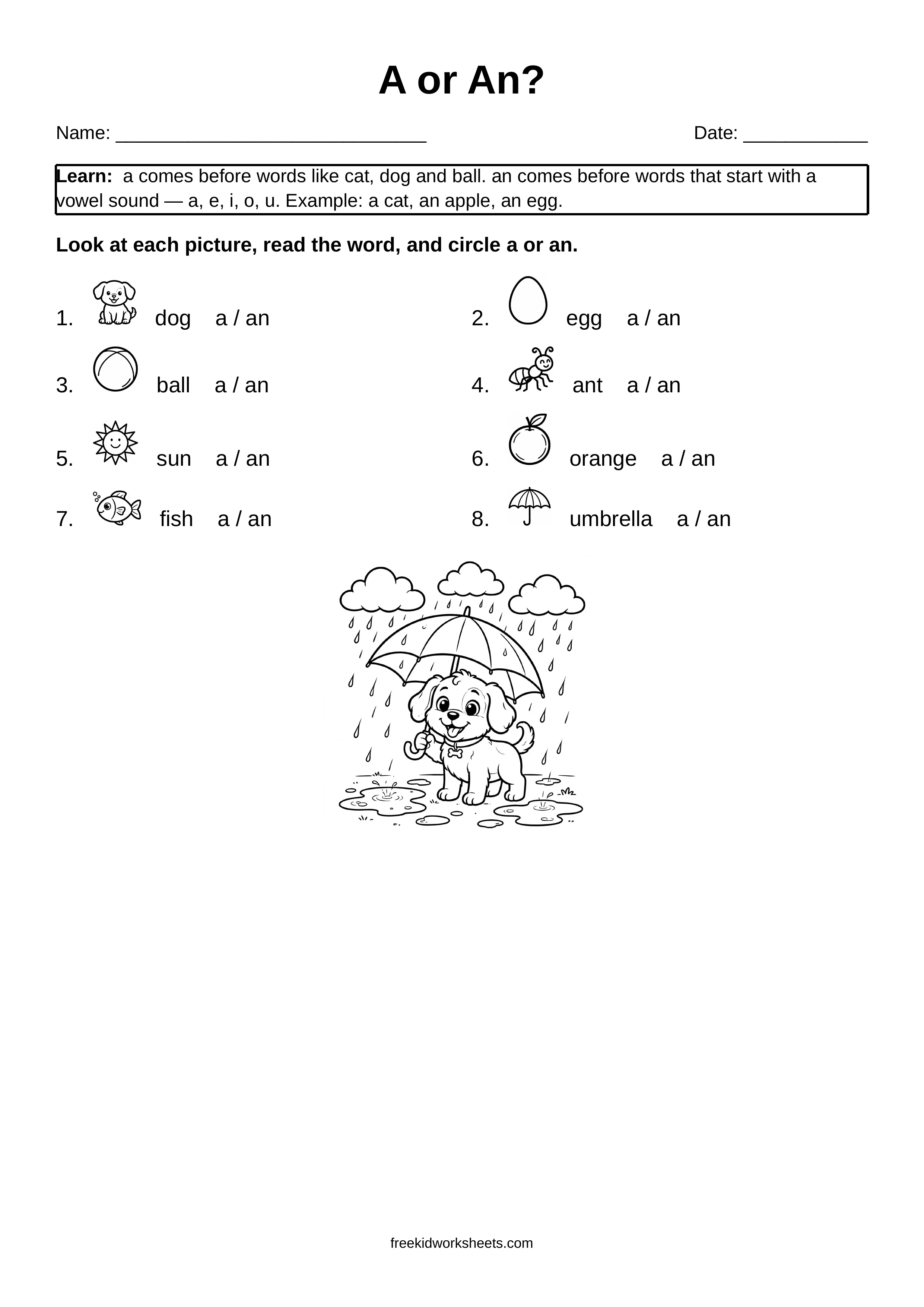
- A or An worksheet , ages 4-6
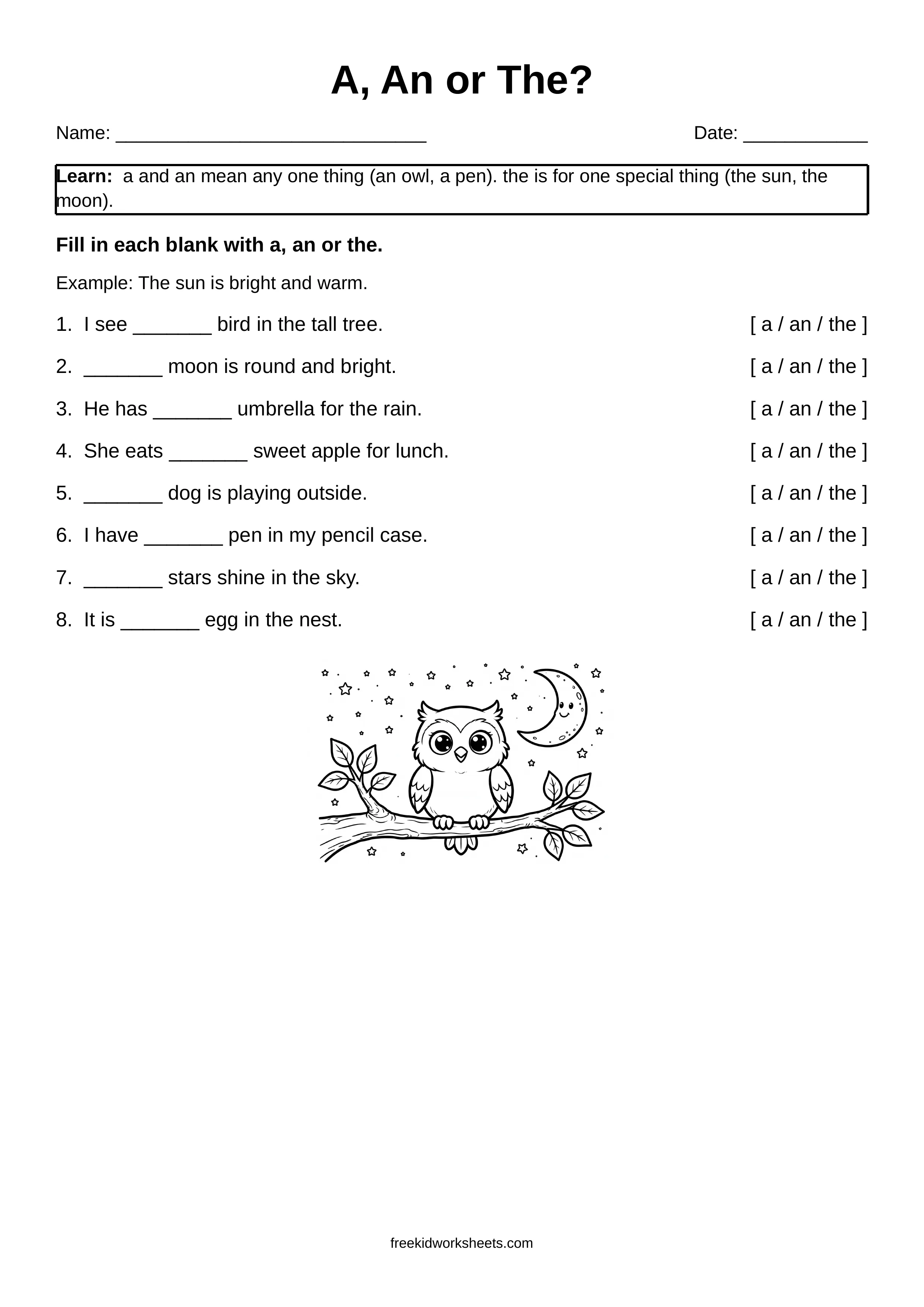
- A An or The practice , ages 5-7
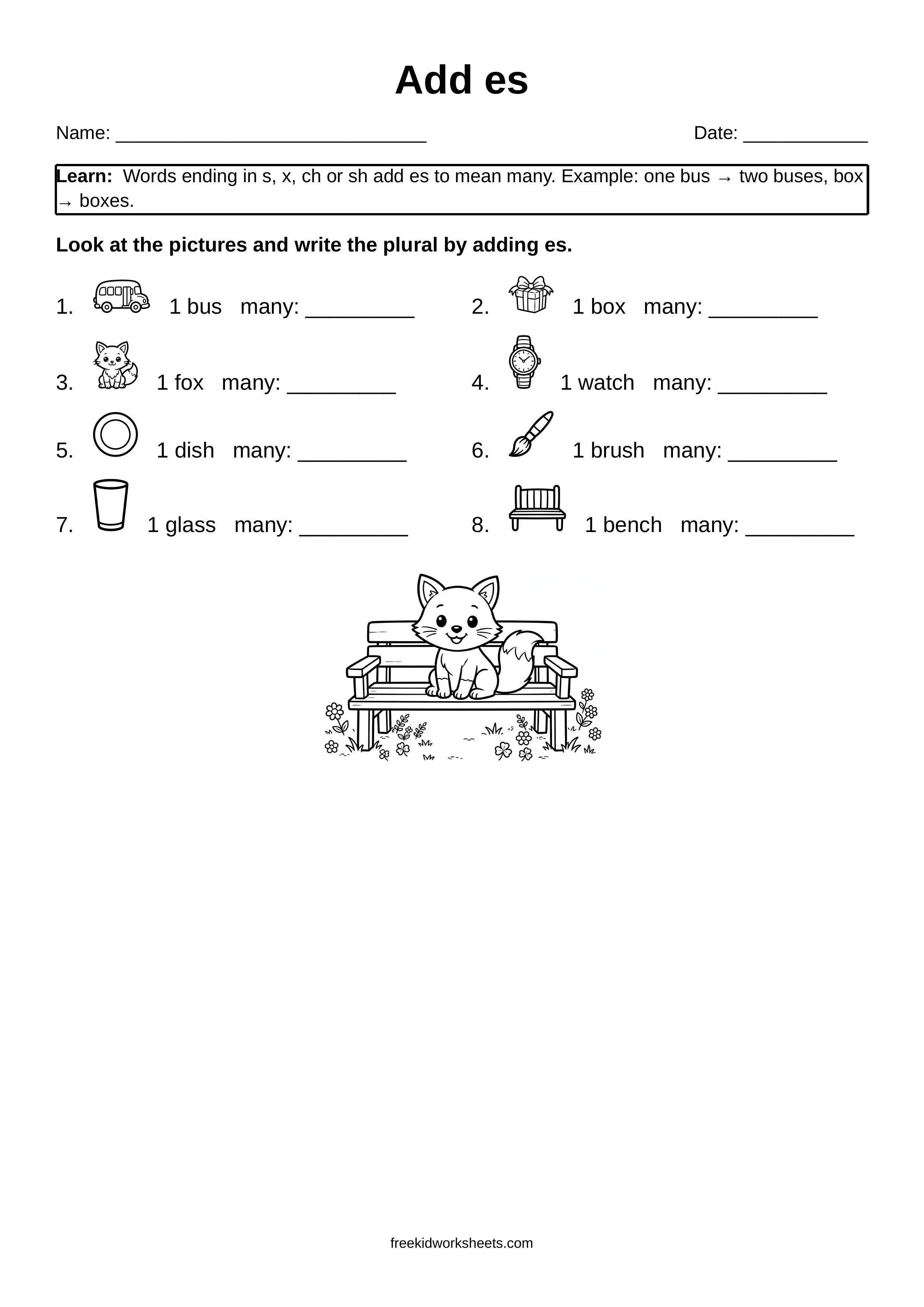
- Add es plurals , ages 5-7
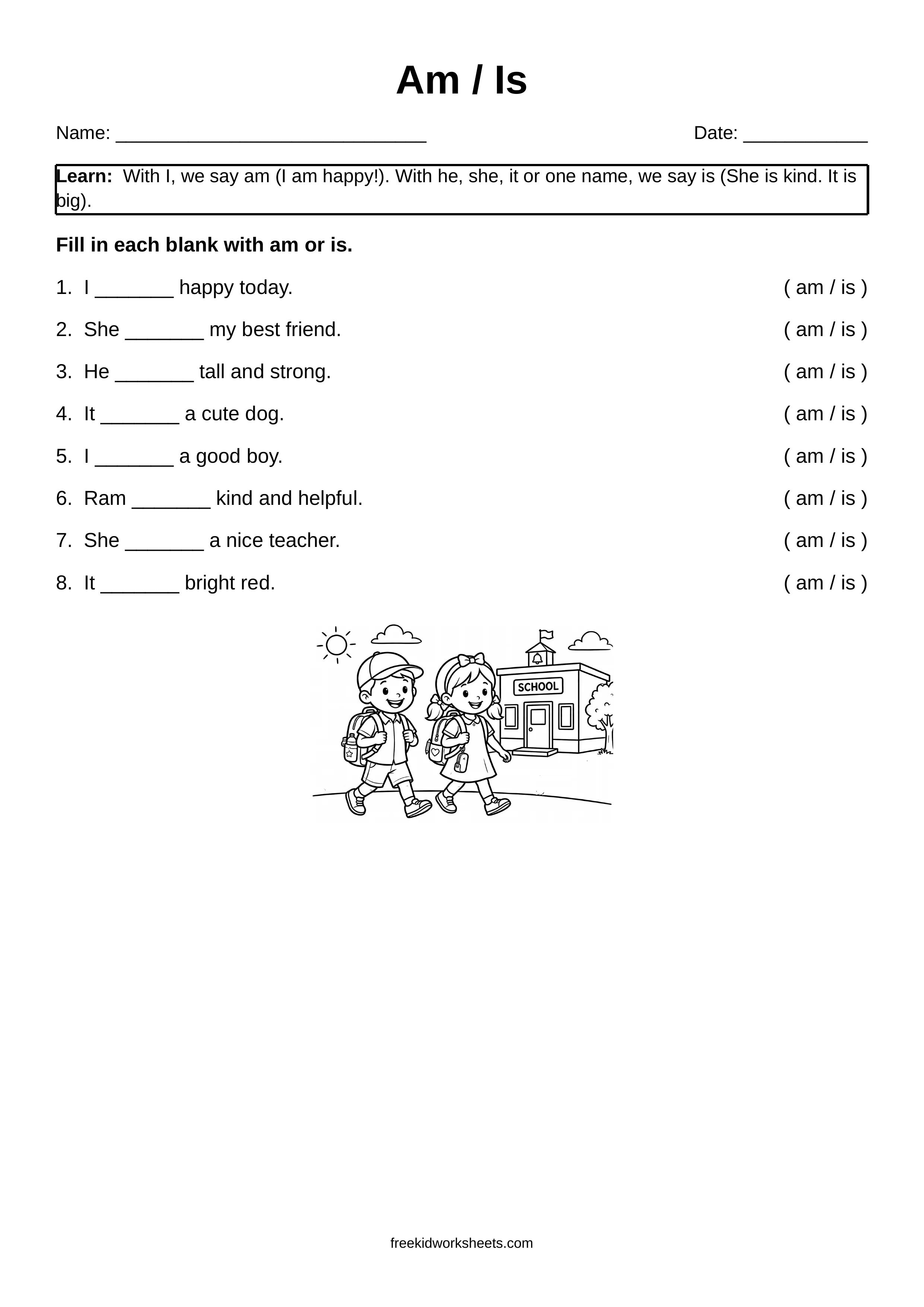
- Am or Is practice , ages 4-6
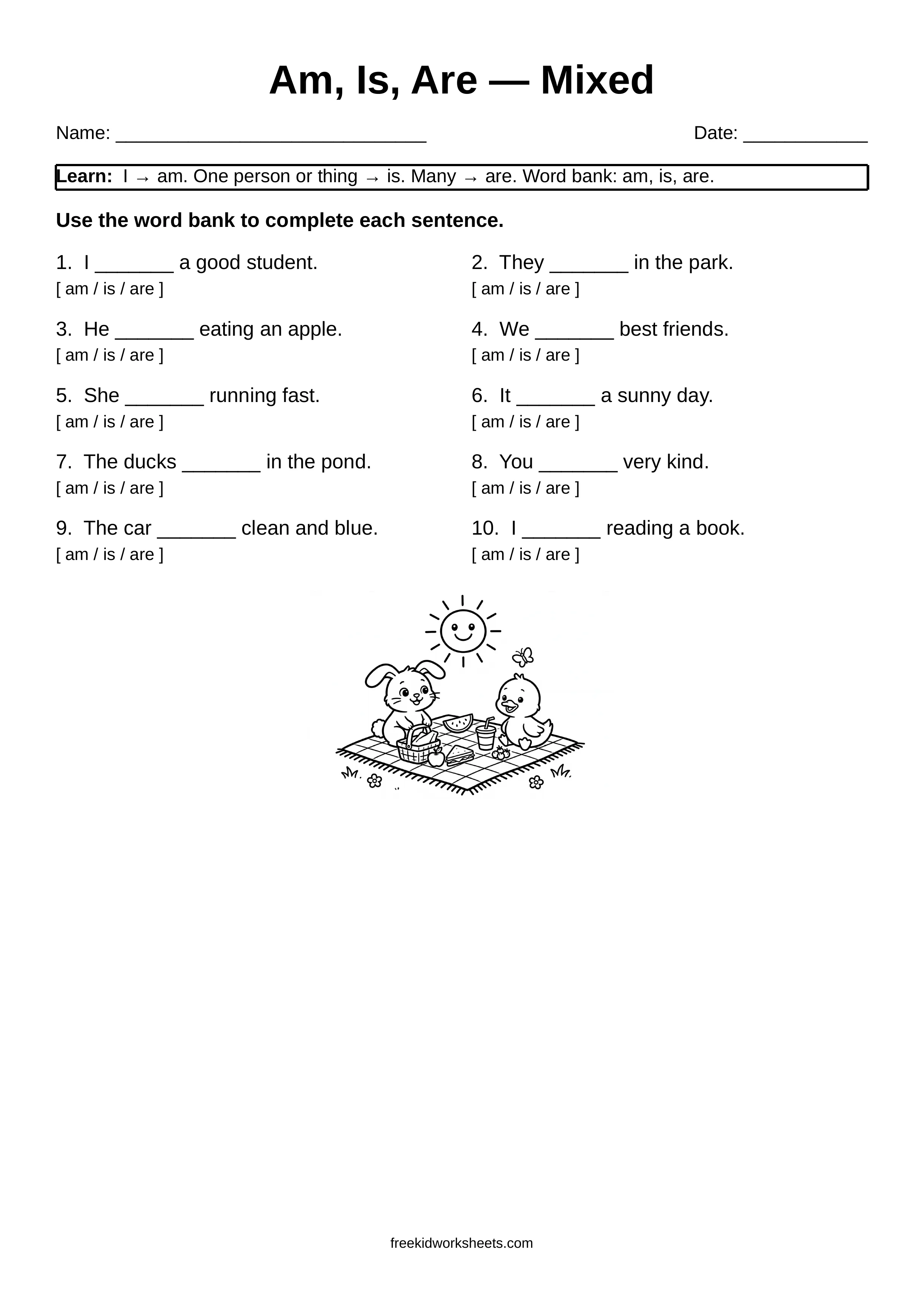
- Am Is Are Mixed , ages 5-7
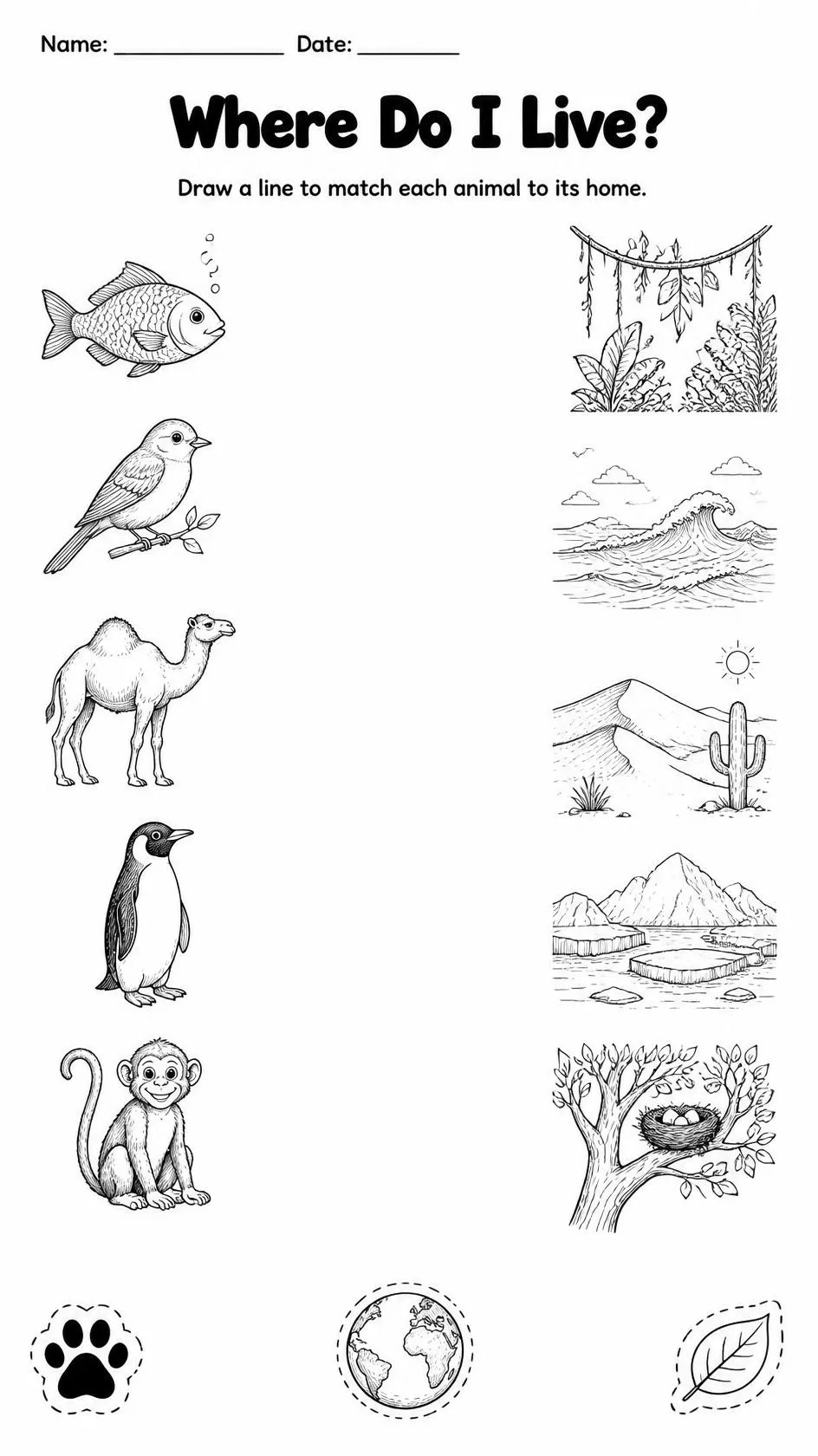
- Animal habitat matching worksheet , ages 5-6
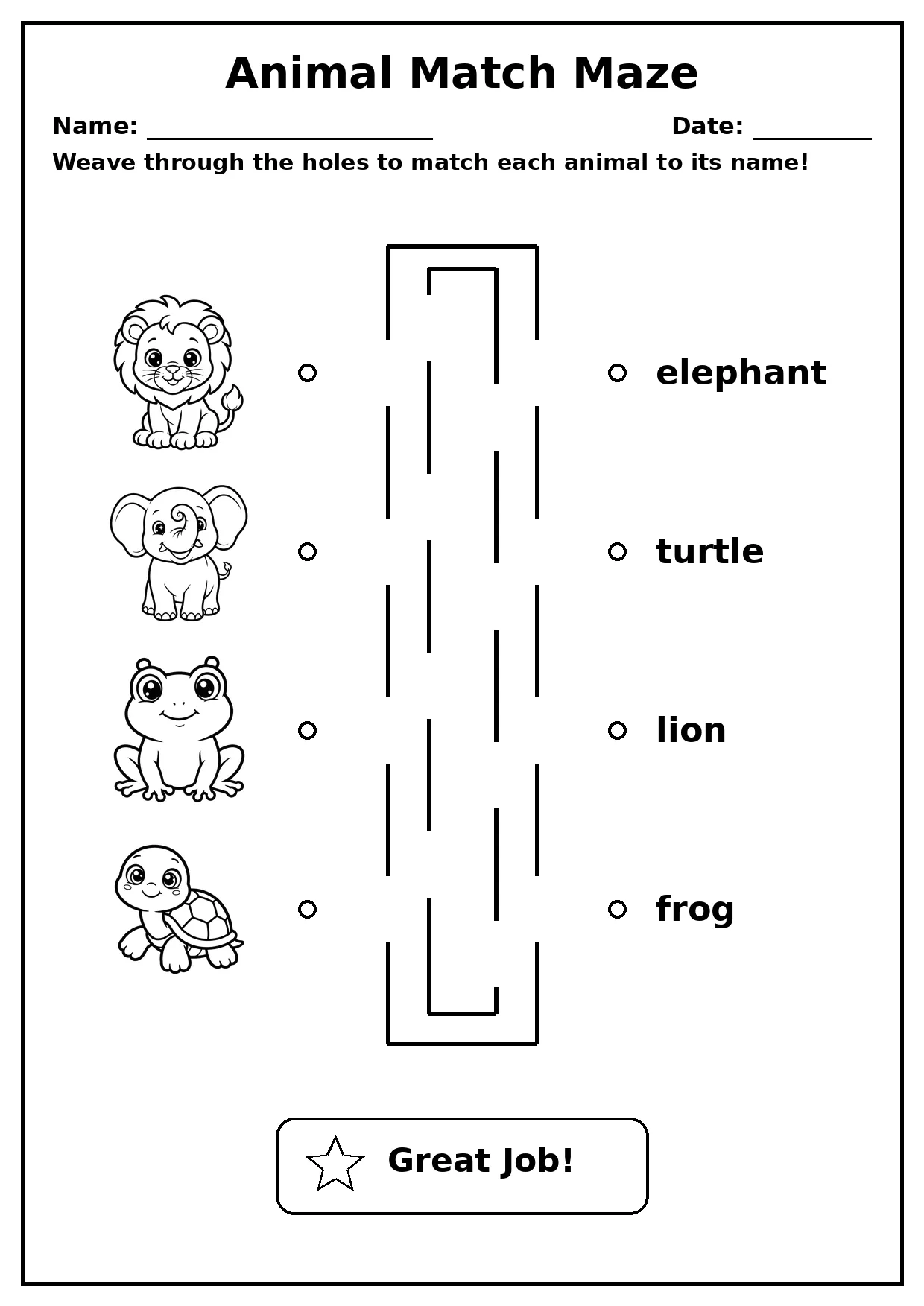
- Animal match maze matching , ages 3-4
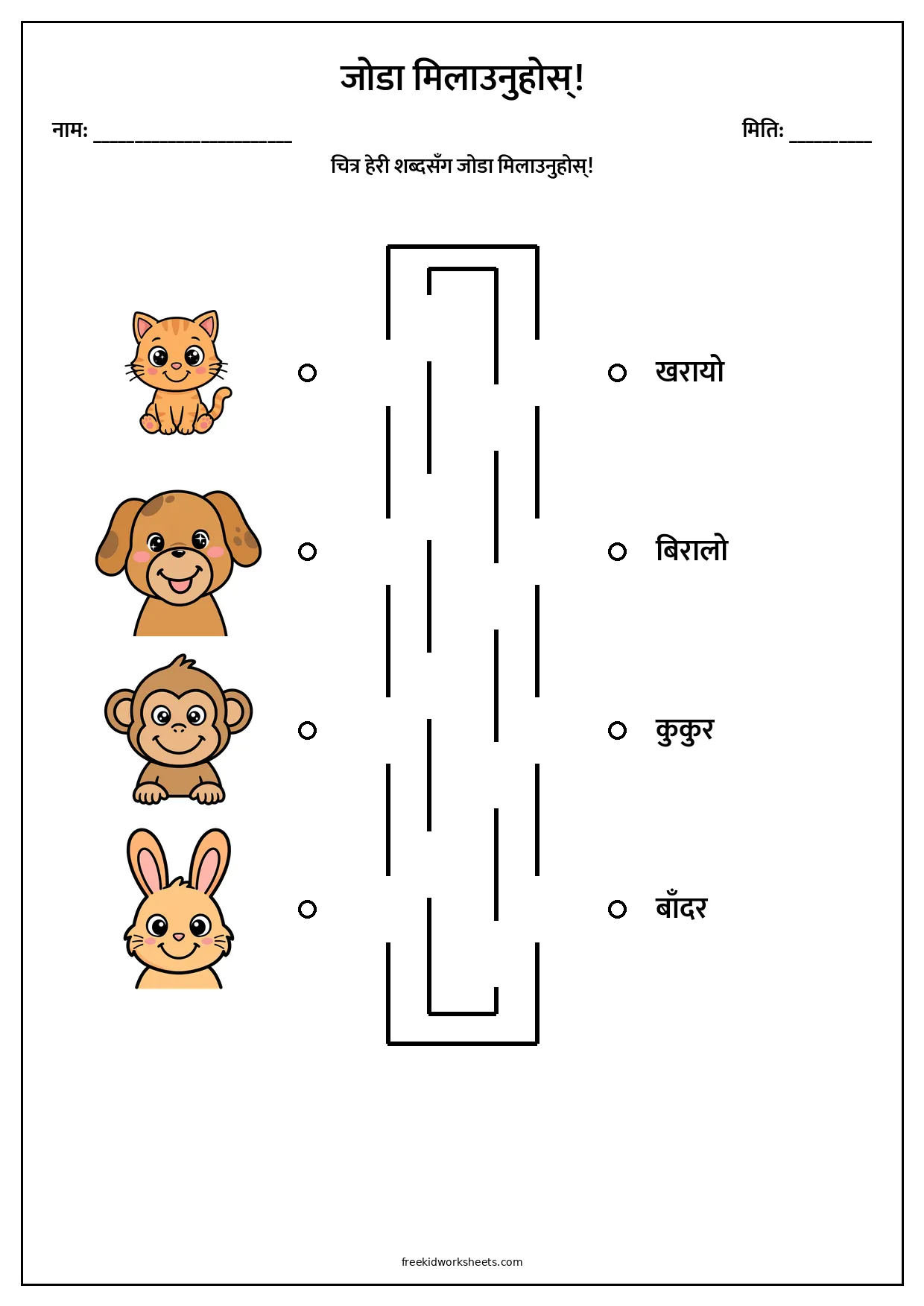
- Animal maze matching worksheet , ages 5-6
- Animal shadow matching worksheet 2 , ages 3-4
- Animal shadow matching worksheet , ages 3-4
Browse writing practice sheets
Frequently asked questions
- What counts as "writing practice" for a 4-year-old?
- Not sentences! At 4, writing practice means anything that trains the hand and the mind for writing later: tracing lines, matching pictures, finishing dot-to-dots, and drawing. Letter formation comes after these foundations feel easy.
- Are mazes and matching games really educational?
- Yes. Mazes train pencil control and planning ahead; matching trains visual discrimination and vocabulary; dot-to-dots teach number order and patience. They are the pre-writing workout disguised as play.
- How do I build my child’s writing stamina?
- Gradually and without pressure. Start with 5-minute activities, and add a minute or two every couple of weeks. Stamina grows from regular short practice, not from occasional long sessions that end in tears.
- Should I correct pencil grip?
- Guide it, do not police it. Show the tripod grip (thumb and two fingers), offer chunky pencils that make it natural, and model it yourself. Most children settle into an efficient grip between ages 4 and 6 if the tools are right.
- Are these worksheets really free?
- Yes. Every sheet is free to download and print, with no account and no limits. Print the same page as many times as your child wants to practise.
Looking for more? Browse the full Writing library or the complete worksheet library.